How it works & jury
From idea to award ceremony
You’re putting your heart into your idea – so it deserves a fair and transparent selection process. That’s why the decision on which projects win is made in a clear, multi-stage process.
First, the LANUK checks every submission to make sure it meets the competition rules and is complete.
In the second step, an independent expert jury takes over: it reviews and assesses all projects that have passed the check, based on the content criteria. This includes how your project contributes to the 17 Sustainable Development Goals of the United Nations. The jury decides which projects win and which go forward to the online public vote – so you actually have two chances of winning.
Formal check
The LANUK checks all submitted ideas for completeness and eligibility.

Expert pre-assessment
The LANUK assesses the ideas using a fixed scoring matrix and draws up a ranking.

Jury assessment
Around 20 experts from the region assess the ideas independently of one another.

Jury meeting: 140 winning projects
The jury chooses 100 projects in the €5,000 category and 40 projects in the €10,000 category – plus 42 more ideas for the online public vote.

Online public vote: 14 public vote awards
Your region decides: in each district or city, one more project wins in each prize category.

Award ceremony – February 2027
A festive public event where all the winners are announced.
The jury
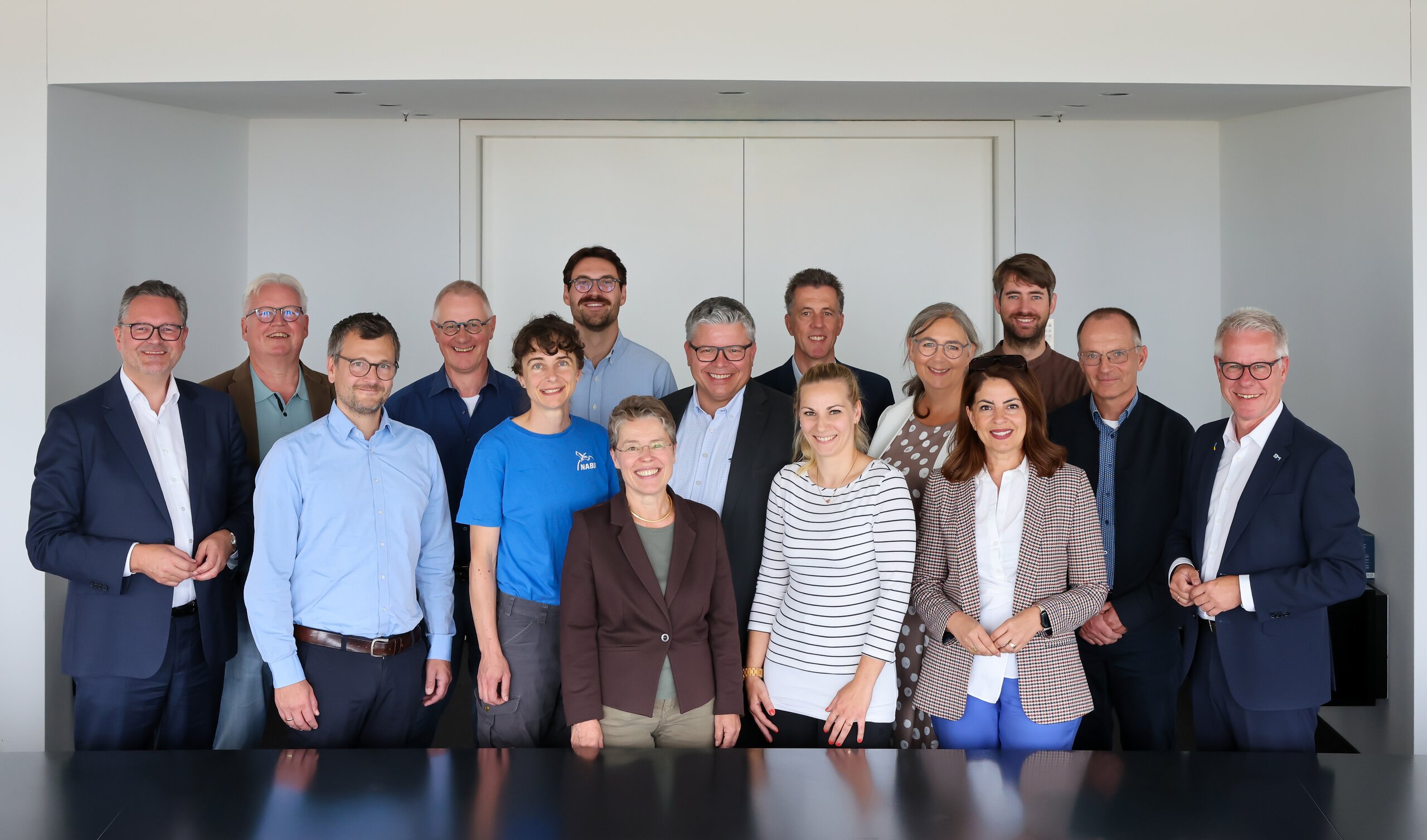
An independent jury decides which project ideas win. It brings together people from the region with very different experiences and perspectives – from environmental and nature conservation, culture, integration, youth work and other areas of civil society. Representatives of the state and federal governments and of the districts and cities in the Rheinisches Revier also contribute their perspectives.
The result is a diverse view of the submitted ideas. The jury members’ different experiences, skills and viewpoints are the basis for a fair and balanced assessment – and for choosing the projects that really get things moving in the region.
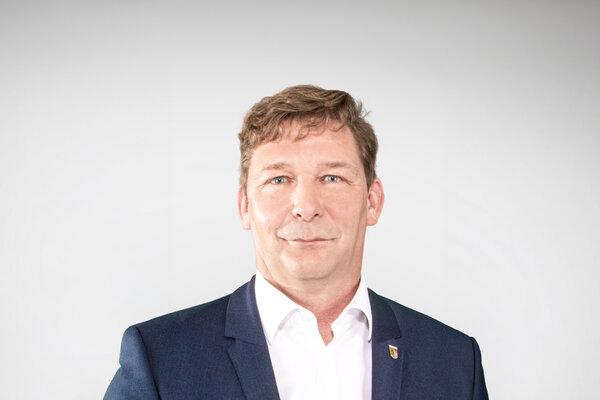
Axel Fuchs has been Mayor of the City of Jülich since 2015 and chairs the LAG Rheinisches Revier an Inde und Rur. He also sits on the supervisory board of Stadtentwicklungsgesellschaft Jülich mbH & Co. KG, chairs the shareholders’ meetings of this company, of Jülicher Immobiliengesellschaft mbH and of Stadtwerke Jülich, and is deputy chair of the shareholders’ meeting of Indeland Entwicklungsgesellschaft mbH for the City of Jülich. He is also managing director of Brückenkopf-Park Jülich. Through these many roles, he is closely involved in shaping structural change in the Rheinisches Revier.
Fuchs is also active on numerous other bodies in the City of Jülich and the region. These include chairing the supervisory boards of the Zukunftsagentur Rheinisches Revier, Technologiezentrum Jülich, Brainergy Park Jülich GmbH and Krankenhaus Jülich GmbH. He is involved in regional associations such as KDVZ Rhein-Erft-Rur and Wasserverband Eifel-Rur.
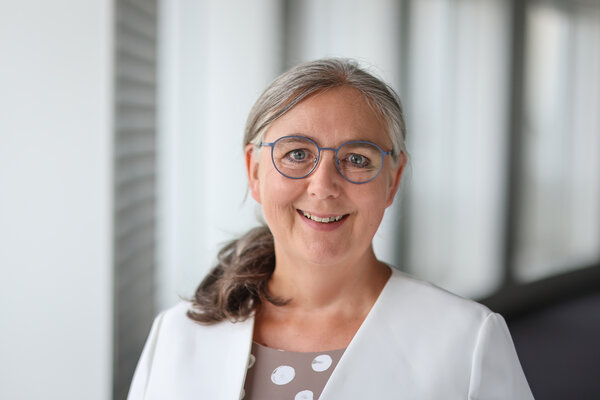
Dr. Dagmar Hänel heads the Central Services and Strategic Management Support division in the LVR Department of Culture and Cultural Landscape Preservation. She previously led the ethnology department at the LVR Institute for Regional Studies and Regional History, and was head of the institute from 2018 to 2022. Her research focuses on intangible cultural heritage, ritual, popular spirituality and everyday regional cultures.
She has a particular connection to the Rheinisches Revier through the project “Strukturwandel im Rheinischen Braunkohlerevier” on structural change in the lignite mining region, which she has led since 2019. In this work, she looks at cultural and regional questions in the context of the region’s structural change. After studying and completing her doctorate at the University of Münster, Dr. Dagmar Hänel first worked freelance. From 2002 to 2008, she worked at the University of Bonn.
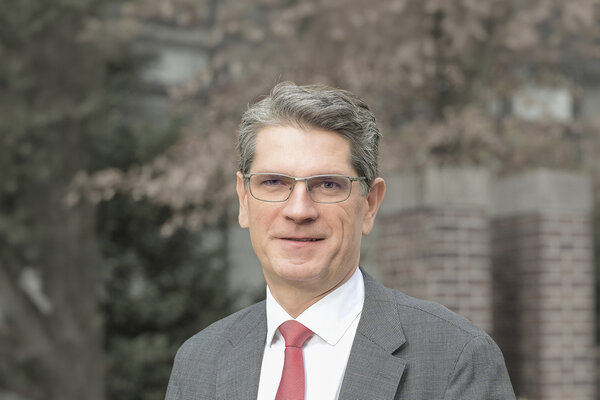
Prof. Dr. Hans Jörg Hennecke has been Managing Director of the Düsseldorf Chamber of Crafts since 2018 and Chief Executive of HANDWERK.NRW since 2019. Through these roles, he brings the perspective of the skilled trades and business on the development of North Rhine-Westphalia – and on the challenges of structural change in the Rheinisches Revier – to the jury.
He studied political science, medieval and modern history and constitutional law in Bonn and Vienna. After his doctorate in Bonn, he worked at the University of Rostock and the State Chancellery of North Rhine-Westphalia, among others, and held a Heisenberg fellowship. Further positions took him to Kiel University and the Düsseldorf Chamber of Crafts. He is active on various academic, business and civic bodies and institutions.
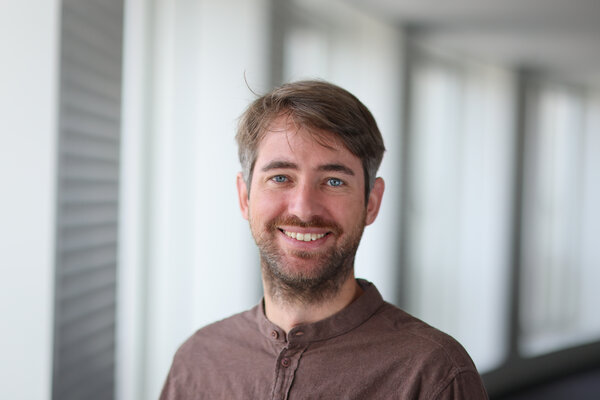
Benjamin Höfer works for the Landessportbund Nordrhein-Westfalen (NRW State Sports Federation) as Officer for Sports Facilities, Environment and Sustainability. In this role, he works on sustainable sports facility development and coordinates activities in the Rheinisches Revier with the district and city sports federations based there. He brings the perspective of sport on the region’s development and structural change to the jury.
Höfer studied “Sport und Leistung” at the German Sport University Cologne and sports economics at the University of Bayreuth. He then spent two years at Nielsen Sports, a research and consultancy firm in the sports industry. In his free time, his interests include urban gardening, fair fashion and second-hand.
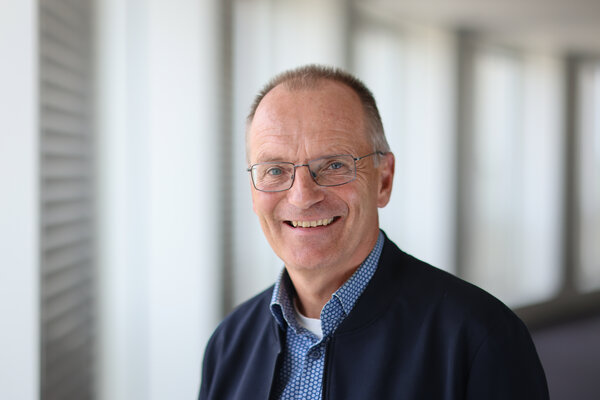
Since June 2026, Dirk Jansen has been the State Representative of BUND (Friends of the Earth Germany) for the Rheinisches Revier. He is also a member of the supervisory board of the Zukunftsagentur Rheinisches Revier. With the brought-forward lignite phase-out, the social and ecological transformation of the Rheinisches Revier increasingly became the focus of his work. Previously, he represented BUND NRW’s interests in various legal proceedings against open-cast mining permits, among other things, and campaigned for environmental and climate protection in the Rheinisches Revier with public actions and events.
Jansen studied geography, geology and ethnology. For more than 35 years, he was policy director of BUND in North Rhine-Westphalia, working on issues including the lignite phase-out, climate protection and the energy transition.
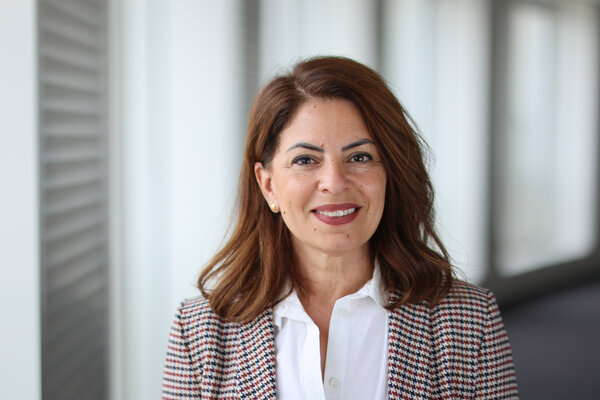
Demet Jawher-Özkesemen is Head of the Social Welfare Office and Integration Commissioner of the City of Eschweiler, and a member of the executive board of the NRW State Integration Council. She has many years of experience in social affairs, integration and local government. Through her work in Eschweiler, she is closely connected to the Rheinisches Revier and the challenges of structural change.
She is also politically and socially active in Würselen. Her particular focus is on social participation, integration and equal opportunities – especially on how structural change can be shaped fairly and made accessible to all groups in society.
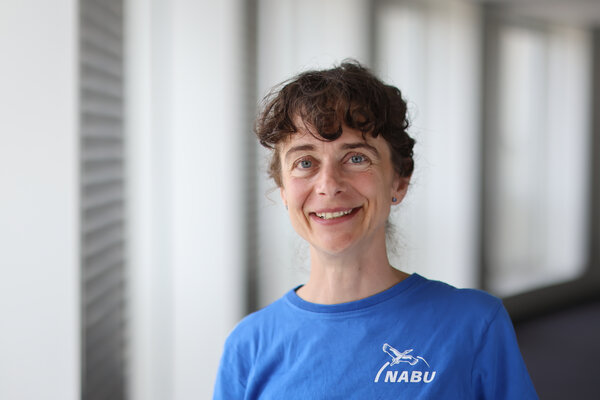
Since 2023, Helen Kahlenberg has been project lead for the Gut Kullen neighbourhood garden at NABU Aachen. She previously worked there as an environmental education officer for schools and daycare centres, and brings practical experience in environmental education and nature conservation in the Rheinisches Revier.
Her earlier career took her to the Freshman Institute of the Aachen Institute of Applied Sciences, the forestry administration of North Rhine-Westphalia and forest education work, among others. As a trainee with the state forestry enterprise Wald und Holz NRW, she also qualified as a senior forestry officer. She has volunteered with NABU in Freiburg and Aachen since 2001.
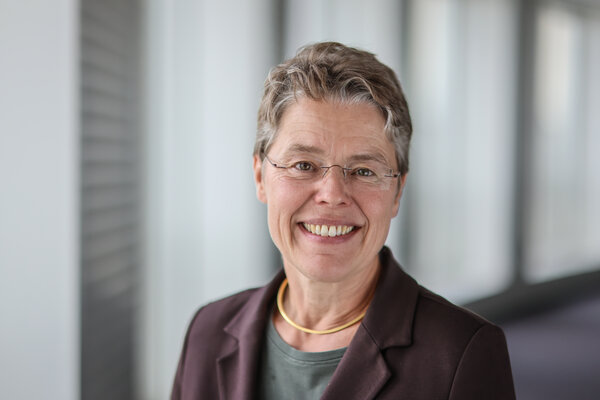
Alexandra Landsberg heads the Department of Sustainable Development, Climate Change, Circular Economy and Transformation at the Ministry of the Environment, Nature Conservation and Transport of the State of North Rhine-Westphalia. From 2019 to 2024, she was responsible for the Rheinisches Revier structural change unit at the state Ministry of Economic Affairs and supported the ministry’s leadership in the Federal Government’s so-called Coal Commission. Through this role and her current position, she brings extensive experience of shaping structural change in the Rheinisches Revier to the jury.
Landsberg studied economics in Cologne. From 2015 to 2017, she was permanent deputy head of the Climate, Future Energies and Environmental Economy department at the NRW Environment Ministry (MKULNV), where she had built up the state’s environmental economy strategy from 2011. From 2017 to 2019, she was responsible for the Economic Development and Structural Policy group at the Ministry of Economic Affairs.
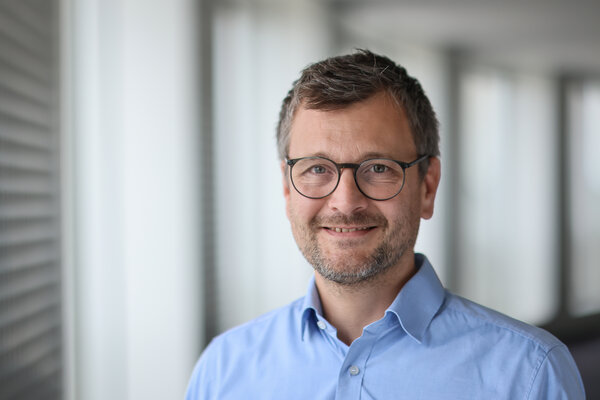
Boris Linden has been Managing Director of NEULAND HAMBACH GmbH in Elsdorf since September 2020. This inter-municipal company shapes structural change around the Hambach open-cast mine and develops prospects for business, tourism, innovation and sustainable energy in the Rheinisches Revier. This includes a renewable energy project company with RWE, which aims to increase regional value creation and expand future-proof energy infrastructure.
A graduate in regional science, Linden was previously an authorised officer at the Zukunftsagentur Rheinisches Revier. Earlier positions took him to the Aachen Chamber of Industry and Commerce (IHK Aachen) and the Friedrich-Ebert-Stiftung. Through his current role, he is directly involved in shaping structural change and developing new prospects for the Rheinisches Revier.
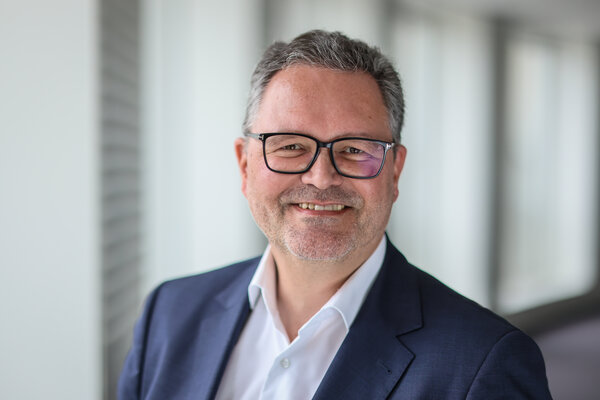
Bodo Middeldorf has been Managing Director of Zukunftsagentur Rheinisches Revier GmbH since 2021. In this role, he deals directly with the challenges and prospects of structural change in the Rheinisches Revier.
He studied economics at the University of Wuppertal and later at Trier University. During and after his studies, he worked at Prognos AG until 2000. He then headed urban and economic development for the City of Wuppertal. In 2008, as managing director, he set up Bergische Struktur- und Wirtschaftsförderungsgesellschaft mbH. From 2017 to 2021, Middeldorf was a member of the North Rhine-Westphalia state parliament, where he sat on several committees as the FDP parliamentary group’s spokesperson for transport and structural policy.
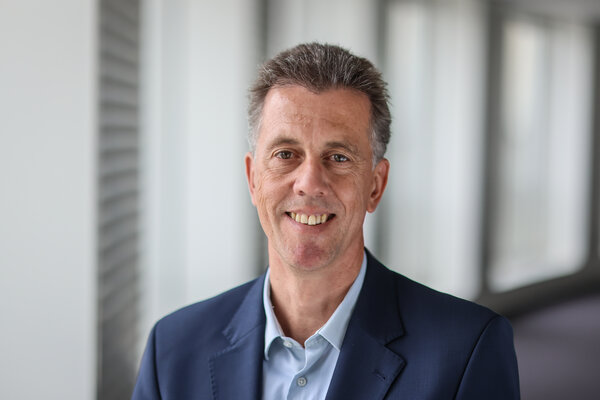
Volker Mielchen has been Managing Director of Zweckverband LANDFOLGE Garzweiler since October 2018. In this role, he is responsible for structural change and strategic development in the area around the Garzweiler open-cast mine – working directly on the future of the Rheinisches Revier and on shaping change in the communities around the mine.
He studied landscape and open space planning in Hanover. From 2001 to 2008, he worked for the International Building Exhibition Fürst-Pückler-Land, and until 2017 he headed a municipal association that helped transform a former mining landscape into the Lusatian Lake District.
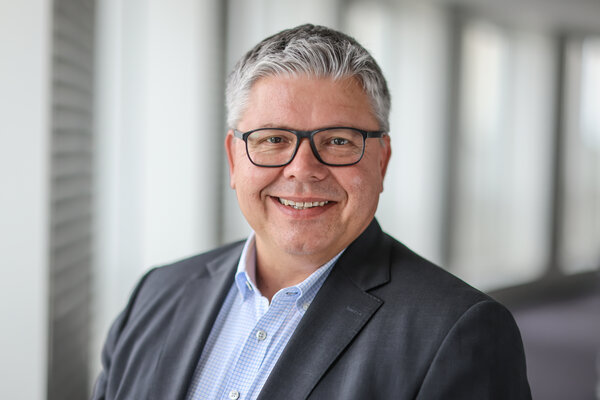
Christian Rast has been Managing Director of the development company indeland GmbH since March 2025. Through indeland, the towns and municipalities around the Inden open-cast mine work together to shape structural change and develop the region sustainably. In this role, he is directly involved in shaping structural change in the Rheinisches Revier, especially in the area around the Inden mine.
Rast has many years of experience in location, leisure and tourism development. He was previously a member of the management team at ift Freizeit- und Tourismusberatung GmbH in Cologne. He studied geography, business administration and economics at Trier University and lives in Cologne with his family.
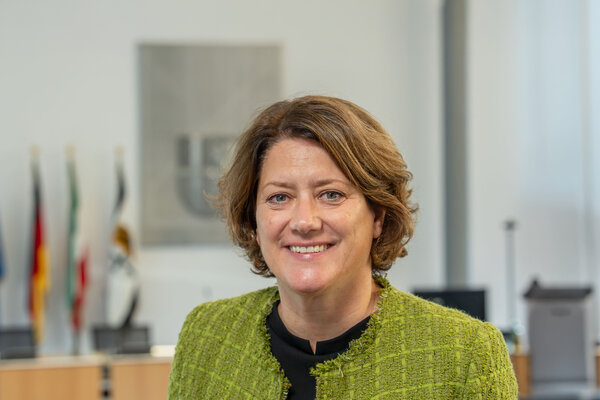
Katharina Reinhold was elected full-time District Administrator of Rhein-Kreis Neuss in September 2025. From 2020 to 2025, she was a directly elected member of the district council, where she served, among other roles, as Chair of the Committee for Social Affairs and Housing and First Deputy District Administrator. During the previous electoral term, the district council also appointed her President of the Board of Trustees of the Sports Foundation of the district and Sparkasse Neuss. In her current role, she brings the perspective of the district Rhein-Kreis Neuss to the jury, giving her direct insight into the region’s challenges and developments.
Reinhold studied law in Marburg, Poitiers (France) and Münster and completed her legal traineeship at Wuppertal Regional Court. She has been admitted to the bar since 2003. She initially worked at a medium-sized law firm in Lennestadt before joining a company operating across Europe as a claims manager in Düsseldorf, where she worked from 2004 to 2017. Alongside her work, she completed a further degree in mediation at the University of Applied Sciences Koblenz. Katharina Reinhold is a trained and certified mediator. In 2018, she set up her own practice as a lawyer and mediator. Since taking office as District Administrator, she has suspended her legal practice. Katharina Reinhold lives with her family in Neuss.
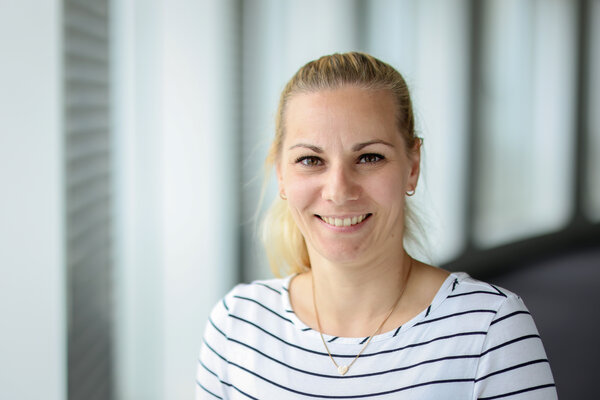
Inken Renner has been Deputy Managing Director of the Landesjugendring NRW (NRW State Youth Council) since 2021. In this role, she looks at how structural change affects young people, as many of the council’s member organisations are active in the Rheinisches Revier. The Landesjugendring works to ensure that young people can actively help shape the future of their region and are fully involved in the transformation processes in the Rheinisches Revier.
Renner studied geography and social sciences at Ruhr University Bochum. Having grown up in the north of Essen, she was already exploring structural change in former industrial and mining regions as a student. After working in open youth work, she joined the Landesjugendring Nordrhein-Westfalen in 2017, initially as an officer for democracy education. She also has experience in designing and running competitions and in serving on juries.
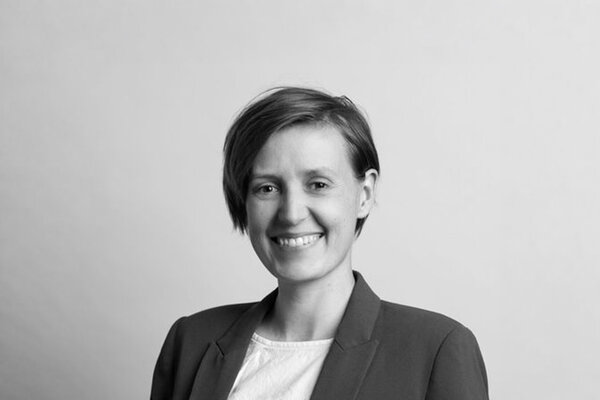
Mona Rybicki has worked as a research project manager at LAG 21 NRW since 2016. She leads projects in the “Network” area, with a focus on dialogue and cooperation for sustainable development. Her work covers sustainability strategies, local sustainability management and the social and ecological transformation – a perspective that matters for shaping structural change in the Rheinisches Revier sustainably.
In her work to date, she has dealt with sustainability budgeting, sustainability governance and sustainability strategies at federal, state and local level. She studied social sciences and “Sustainability, Society and the Environment” in Kiel. During this time, she worked at the Wuppertal Institute for Climate, Environment and Energy, Germanwatch and the Deutsche Gesellschaft für Internationale Zusammenarbeit (GIZ), among others.
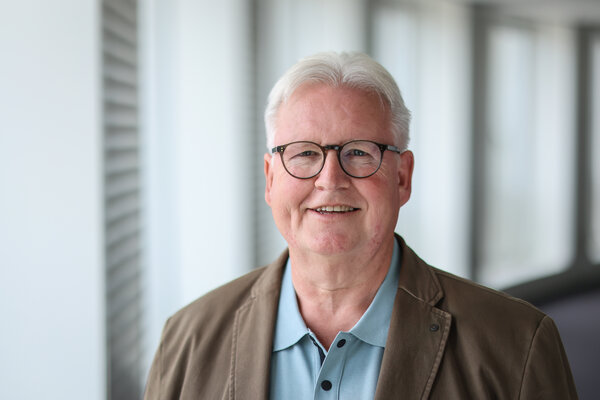
Jens Sannig has been Superintendent of the Protestant Church District of Jülich since 2007 and a pastor of the Evangelical Church in the Rhineland since 1992. As senior pastor, he is responsible for the strategic development of the church district, with its 19 congregations and almost 70,000 members. His goal is a Rheinisches Revier that builds a future after lignite as a liveable, caring and climate-friendly region – and sets an example for the transformation towards a climate-just society.
Sannig is committed to an open, people-centred church, with a focus on social justice, peace, refugee protection, democracy, climate action and sustainability. For more than 30 years, he has campaigned for climate-just structural change in the Rheinisches Revier. Through the “Revier WIRd Region” network, the church district runs dialogue forums on key issues of structural change and brings in the perspectives of local people. His responsibilities also include supporting and overseeing congregations, church institutions and offices, as well as education, social welfare (Diakonie), daycare centres, pastoral care and social responsibility.
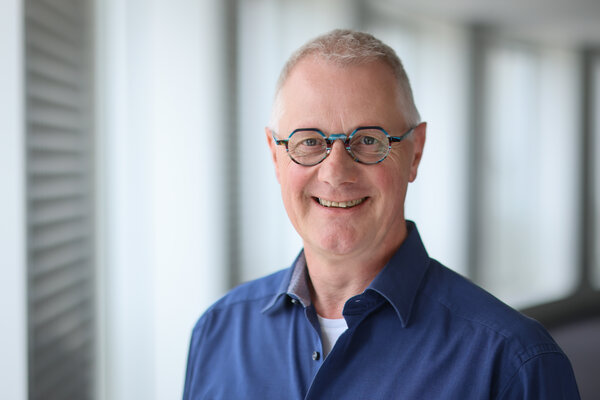
Since the end of 2019, Burchard Schlömer has been an officer in the “Church in Society” department at the Episcopal Vicariate General in Aachen. He represents the Diocese of Aachen in the civil society network “Revier WIRd Region” and is an advisory member of the Kommission Rheinisches Revier. He is particularly interested in how change in the region can strengthen social processes and institutions and the protection of creation – and how people in the region can make this change their own.
After studying Catholic theology in Münster and London, he did his civilian service as part of the conciliar process for justice, peace and the integrity of creation. From 1991 to 2019, Schlömer worked in the Africa department of missio, the international Catholic mission society in Aachen.
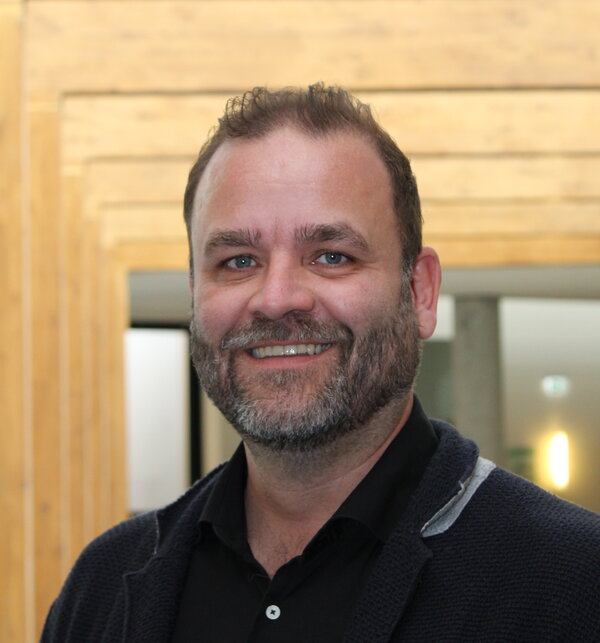
Alexander Schülke is deputy head of the division “Equivalent living conditions, structural change regions, urban environmental policy, spatial planning, building and mining law” at the Federal Ministry for the Environment, Climate Action, Nature Conservation and Nuclear Safety (BMUKN). Since 2021, he has been responsible for the KoMoNa programme, which supports municipalities and other regional actors in Germany’s three lignite mining regions – including the Rheinisches Revier – in putting ecological sustainability goals into practice during structural change, for a better quality of life and social cohesion.
A natural and political scientist, he previously worked for the German Advisory Council on Global Change (WBGU), the German Environment Agency (UBA) and on projects in Kenya and Vietnam, among others.
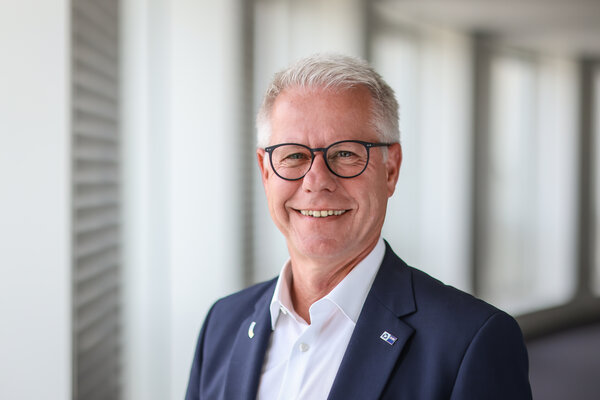
Jürgen Steinmetz has been Chief Executive of the IHK Mittlerer Niederrhein (Chamber of Industry and Commerce) since July 2015. Through his work at the IHK and as a member of the supervisory board of the Zukunftsagentur Rheinisches Revier, he brings the perspective of business on structural change and the development of the Rheinisches Revier to the jury.
Previously, Steinmetz was general deputy to the District Administrator of the Rhein-Kreis Neuss and managing director of several companies in economic development, technology and employment promotion. He sits on various supervisory and advisory boards. He is also an advisory member of the Düsseldorf Regional Council and chairs the Energy and Transformation working group of Metropolregion Rheinland e. V. As a volunteer, he is involved with Partner für Sport und Bildung and the association Grünes Herz – Bürgerpark Neuss, among others. Since November 2025, Steinmetz has also served as honorary consul of Ukraine.
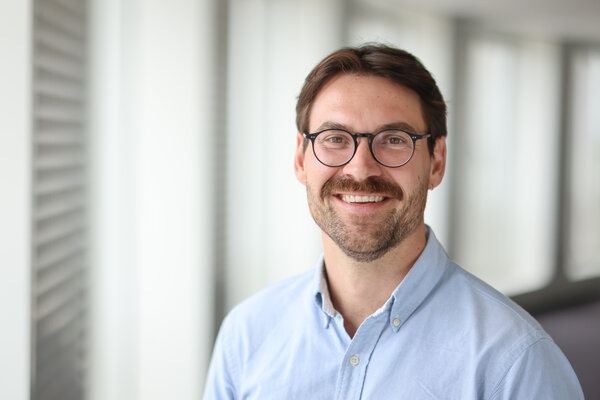
Achim Wölfel has been State Managing Director NRW of Mehr Demokratie e. V. since 2020. The association works on transformation processes and especially on citizen participation – an area that also plays an important role in the development of the Rheinisches Revier, so that local people are included in the changes and can help shape them. The association has already run several democracy projects in the Rheinisches Revier; most recently, several schools from the region took part in the NRW schools competition on the local elections. Through the association’s own projects, Wölfel has experience of ideas competitions and brings this perspective to the jury.
He holds a master’s degree in political science and, alongside his role as managing director, teaches in adult education, at schools and in companies.